
Summary
Role
Sr. Product Design Lead
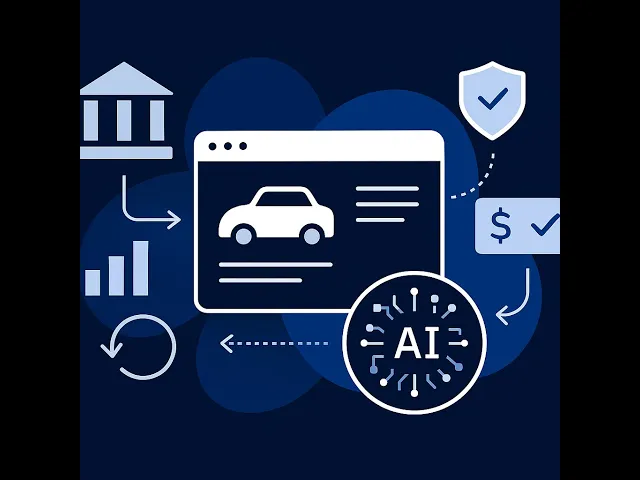
I led the design of an intelligent automation system that integrated AI into core product workflows while preserving human control and trust.
Product
A web-based product experience that integrates intelligent automation directly into a structured process, contextual insights, and guided interaction flows, allowing users to review, refine, and make financial decisions.
Scope
Design how automation supports decision-making in the car loan process, with user confidence and efficiency.
Timeline
9 weeks (including discovery, iteration, and alignment)
Team
• SME (Subject Matter Experts)
• AI/ML Engineers
• Researchers
Impact & Success Indicators
The outcomes were tracked through a blend of survey data, content analysis, and internal feedback. Each metric was designed to capture both user understanding and how well the product performs.
35%
increase in user comprehension of AI lending process and concepts
30%
improvement in user trust in automated outputs
40%
reduction in manual effort and workflow
• Improved efficiency and decision-making speed
Increased adoption of AI-driven automation
Established scalable automation frameworks
Key Product Decisions & Tradeoffs
• Prioritized assistive automation over full automation to maintain trust and control
Introduced transparency layers instead of hiding system complexity
Balanced efficiency with user validation to reduce risk in decision-making
Focused on workflow integration over standalone features
Standardized automation patterns for scalability across the platform
Challenge
The challenge was to create automation that is easy to manage and truly helps people make decisions more confidently.
Key details:
• Automation lacked transparency, reducing user trust
Users had limited control over automated outputs
Workflows were fragmented across systems
High cognitive load when validating AI decisions
No scalable model for integrating automation into workflows
Approach
1. Reframing Automation
I shifted the focus to answer, “How do we augment human decision-making with AI?”
2. Workflow & Decision Mapping
• Identified key decision points in user workflows
Mapped where automation adds the most value
Highlighted breakdowns between data → insight → action
3. Defining Principles for Human-Centered Automation
Transparency over opacity
Control over blind automation
Guidance over full autonomy
4. Iteration & Validation
Prototyped automation models and iterated towards:
User trust
Decision confidence
Workflow efficiency
Solution
Designed an intelligent automation system that:
Surfaces contextual recommendations at key decision points
Enables users to review, refine, and approve automated actions
Integrates seamlessly into existing workflows
Provides visibility into how outputs are generated
Establishes reusable patterns for automation across the platform
Key Deliverables
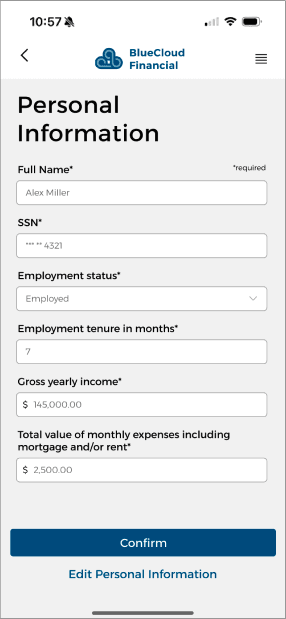
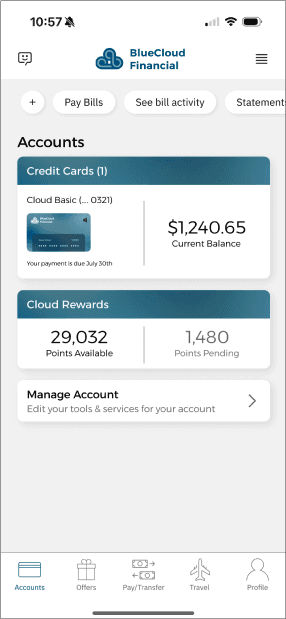
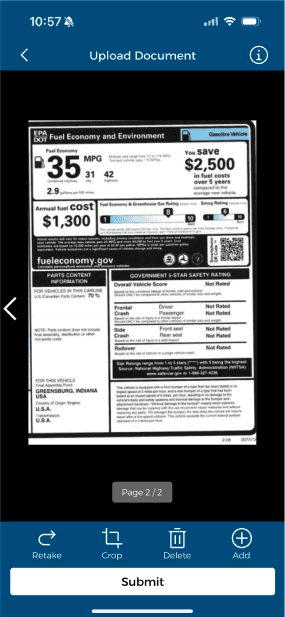
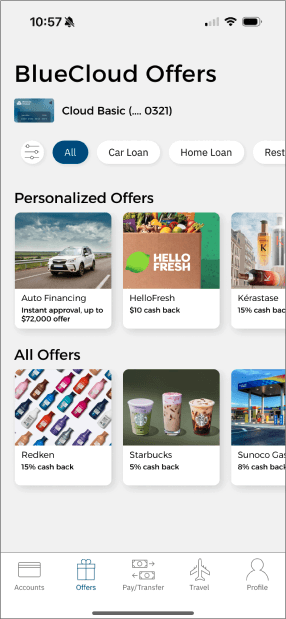
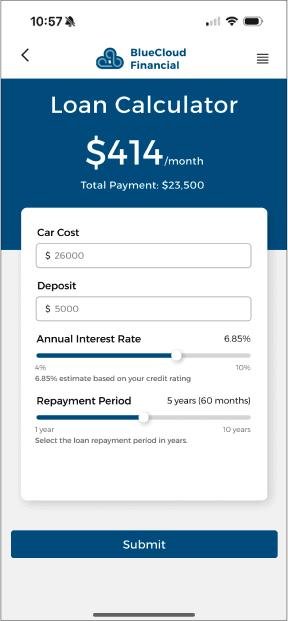
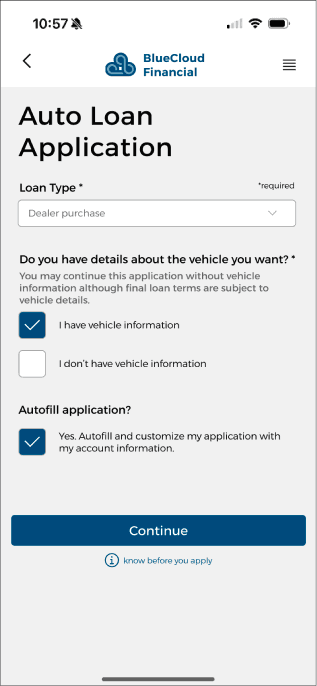
Developed an AI-powered mobile app that supports customers in navigating complex financial decisions when buying a car. The app guides users through simple steps to gather information and show whether they qualify for a loan.
Design Exploration
Wireframes show how an AI-powered workflow, paired with insights, recommendations, and user actions, comes together seamlessly, making decision-making clear, scalable, and focused on people getting an auto loan.

Reflection
This work showed that intelligent automation isn't about excluding humans but about creating systems where humans and AI work together efficiently. Automation is most effective when it assists, not replaces, human decision-making.
Copyright ©2026 Al Villanueva